Acupuncture in Geneva and Lausanne: A Complete Guide to Traditional Chinese Medicine
Acupuncture is an ancient therapy stemming from traditional Chinese medicine that works by stimulating specific points on the body using fine needles and enjoys growing recognition among practitioners and patients in Gen
Acupuncture in Geneva and Lausanne: A Complete Guide to Traditional Chinese Medicine
Acupuncture is an ancient therapy stemming from traditional Chinese medicine that works by stimulating specific points on the body using fine needles and enjoys growing recognition among practitioners and patients in Geneva and Lausanne. This practice restores the body's energetic balance, called "Qi" (pronounced "chee"), allowing the physiological system to regulate itself naturally and reduce pain, tension, and emotional imbalances.
In French-speaking Switzerland, acupuncture is now integrated into many complementary therapeutic pathways and even recommended by some conventional doctors for treating chronic pain, stress, and various functional conditions. Whether you're seeking acupuncture in Geneva, Lausanne, or elsewhere in Switzerland, this holistic approach offers scientifically validated therapeutic solutions.
Section 1: What is Acupuncture?
Acupuncture is an ancestral therapeutic technique dating back over 2,500 years that involves inserting very fine needles (0.25 to 0.35 mm diameter) at specific points on the body called "acupuncture points." These points are located along energy pathways named "meridians" in traditional Chinese philosophy.
Origins and Philosophy
Based on the fundamental concept of balance between Yin and Yang, acupuncture rests on the theory that illness results from an imbalance or obstruction of vital energy flow (Qi). The practitioner uses their expertise to identify blocked or disharmonious points and unblock them using needles, thereby restoring energetic circulation and the body's natural healing capacity.
Modern Recognition
Today, acupuncture is recognized as serious complementary medicine in Switzerland and in the Geneva and Vaud cantons. The World Health Organization (WHO) has officially recognized acupuncture's effectiveness for several health conditions. Licensed acupuncturists in Geneva and Lausanne integrate this practice within a rigorous professional framework, with comprehensive training of 1,000 to 4,000 hours depending on recognized schools.
Section 2: How It Works in Practice
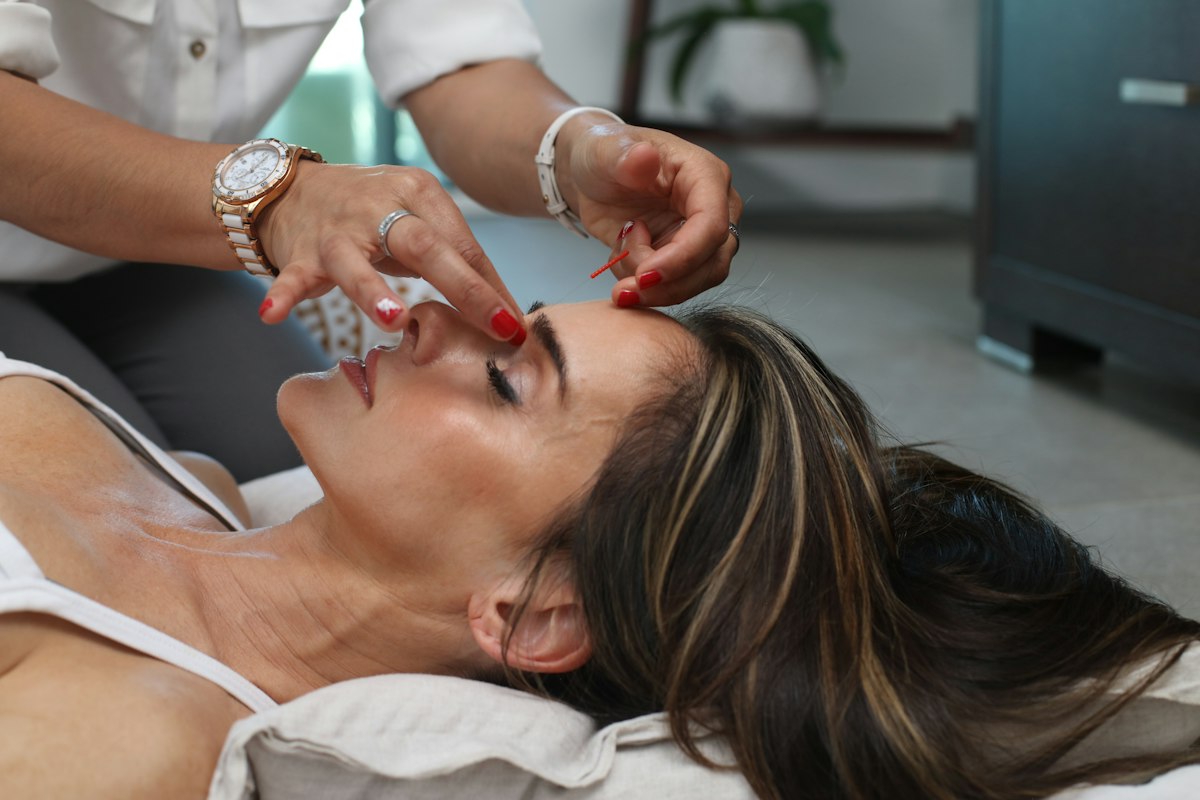
An acupuncture session begins with a thorough consultation where the practitioner observes your tongue, takes your pulse using traditional Chinese techniques, and discusses your symptoms before positioning needles at specific identified points. This personalized approach characterizes acupuncture practice in Geneva and Lausanne.
Steps of a Typical Session
- Complete case history: the practitioner gathers detailed information about your medical history, lifestyle, diet, and specific symptoms
- Clinical examination: pulse palpation (three positions, nine depths), tongue observation, abdominal palpation, and assessment of reactive points
- Needle insertion: once points are identified, very fine needles are introduced at varying depths (from a few millimeters to several centimeters depending on the point and desired effect)
- Energetic stimulation: the practitioner may rotate the needles or apply special techniques to achieve a sensation called "deqi" (tingling, heaviness, or dull ache sensation indicating point activation)
- Rest and integration: needles typically remain in place for 20 to 30 minutes, during which the body integrates the energetic changes
Modern Physiological Mechanisms
From a Western scientific perspective, acupuncture activates several recognized systems:
- Nervous system: stimulates nerve endings, releasing neurotransmitters such as endorphins (natural painkillers)
- Blood circulation: improves microcirculation and tissue oxygenation
- Immune system: regulates inflammatory response and strengthens natural defenses
- Hormonal system: influences the secretion of cortisol, serotonin, and other well-being hormones
- Fascial system: acts on fascia (connective tissue) facilitating muscle relaxation and mobility
Section 3: Recognized Benefits
Acupuncture presents documented benefits for several health conditions and its effectiveness is recognized by Swiss health insurance for treating chronic pain at certain insurers and cantons. In French-speaking Switzerland, particularly in Geneva and Lausanne, acupuncture therapy offers validated results for treating pain and various functional disorders.
Main Indications
Pain and Musculoskeletal Disorders: Acupuncture is effective for chronic lower back pain, neck pain, tendinitis, osteoarthritis, and joint pain. According to recent studies, approximately 70% of patients treated in Geneva and Lausanne report significant pain improvement after 6 to 10 sessions. Emotional and Psychological Disorders: Anxiety, mild to moderate depression, insomnia, and stress. The energetic balance restored by acupuncture promotes better emotional regulation and improved sleep quality. Digestive and Metabolic Disorders: Functional digestive disorders, bloating, irregular bowel movements, loss of appetite, and constipation. Acupuncture stimulates natural digestive functions and restores digestive balance. Migraines and Headaches: Prevention and treatment of chronic migraines, tension headaches, and various cranial pain. Acupuncture practitioners in Geneva and Lausanne offer effective preventive treatments. Gynecological and Reproductive Disorders: Menstrual irregularities, endometriosis, menstrual pain, fertility support, and menopausal symptoms. General Well-being: Chronic fatigue, lack of energy, convalescence after illness, prevention of premature aging, and optimization of athletic performance.Swiss Data
A survey conducted in French-speaking Switzerland in 2022 showed that 18% of the urban population (Geneva, Lausanne, and surrounding areas) had already experienced acupuncture, with a satisfaction rate of 82% among regular users. Demand for acupuncture in Geneva and Lausanne continues to grow, particularly among populations aged 35 to 65.
Section 4: FAQ — Frequently Asked Questions
Q: Is acupuncture painful? A: No, acupuncture needles are extremely fine (finer than a medical syringe needle) and most patients feel only a light sensation upon insertion, often described as a small "pinch" with no real pain. Q: How many sessions are necessary to see results? A: For acute pain, 1 to 3 sessions may suffice, while for chronic conditions, generally 6 to 10 close sessions (1 to 2 per week) are recommended with follow-up maintenance. Acupuncture practitioners in Geneva and Lausanne evaluate your progress after 5 sessions. Q: Is acupuncture reimbursed by Swiss health insurance? A: Reimbursement varies depending on your canton and supplementary insurance, with some French-speaking cantons covering acupuncture for specific conditions such as chronic pain. Check with your insurer or ask your acupuncture practitioner directly in Geneva or Lausanne, who typically knows local agreements. Q: What are the risks or side effects of acupuncture? A: Acupuncture is very safe when practiced by a qualified professional using sterile materials, with serious adverse effects being extremely rare. A few patients may experience slight fatigue or a slight temporary increase in symptoms after the first sessions (detoxification reaction).Conclusion: Finding a Practitioner in Switzerland
Acupuncture offers a rich and nuanced therapeutic path for those seeking holistic solutions to their health challenges, particularly for residents of Geneva and Lausanne where this practice is well established. Whether you live in these regions or elsewhere in French-speaking Switzerland, choosing a qualified and recognized practitioner is essential to ensure the safety and effectiveness of your treatment.
How to Find the Right Practitioner
Look for an acupuncturist who has completed comprehensive training (minimum 1,500 hours) at a recognized school in Switzerland. Main professional directories include cantonal associations of traditional medicine in Geneva and Lausanne. For a reliable and comprehensive directory of acupuncture practitioners in Geneva, Lausanne, and all of French-speaking Switzerland, consult [Holiswiss.ch](https://www.holiswiss.ch), which lists accredited therapists and offers detailed descriptions of their approaches and training.
Before beginning, ask questions about your acupuncturist's training, their experience with your specific condition, and the estimated number of sessions. A good therapeutic relationship founded on trust and clarity significantly increases treatment effectiveness.
Find a therapist in Switzerland
Discover qualified holistic practitioners throughout Switzerland.
View therapists →Frequently asked questions
Everything you need to know about Holiswiss and complementary therapies in Switzerland